How Yard Management Systems Are Revolutionizing Intra-Plant Logistics
Posted by Axestrack · 4 June 2025
What Is a Yard Management System?
Core Components of a Modern YMS:
Gate Automation
Dock Door Scheduling
Real-Time Visibility
Task Management
System Integrations
Traditional Yard Operations vs Digital Yard Management
Key Features Driving Value
Real-Time Asset Tracking
Automated Gate-In/Gate-Out
Slot-Based Dock Assignment
Digital Yard Marshaling
Exception Handling
KPI Reporting & Analytics
Case Examples: When the Yard Becomes a Bottleneck
Petrochemical Plant Turnaround Delays:
Cement Plant Internal Congestion:
“Yard operations are emerging as a weak link in digitally connected supply chains. Organizations that fail to modernize their yards face increasing challenges with throughput, safety, and labor inefficiency.”
Barriers to Adoption — and How Global Companies Are Solving Them
Resistance from ground staff
Legacy system integration
Cost concerns
Process complexity
How Axestrack’s CPL Solution Bridges the Gap
For most manufacturing leaders, plant performance metrics like OEE, TAT, and dispatch SLAs are under constant scrutiny. Yet, a key operational blind spot persists — the yard. The space between the plant gate and the loading dock remains under-digitized, manually managed, and prone to disruption. Inefficient yard processes don’t just delay trucks — they cascade into missed production windows, excess demurrage, and line stoppages, impacting throughput and customer service levels.
As supply chains become more time-sensitive and data-driven, Yard Management Systems (YMS) are emerging as critical infrastructure. These systems bring visibility, orchestration, and automation to intra-plant vehicle and material movement — unlocking measurable gains in plant productivity, safety, and resource utilization.
For CXOs driving digital transformation and supply chain resilience, YMS offers not just cost savings, but strategic control over a previously opaque part of operations.
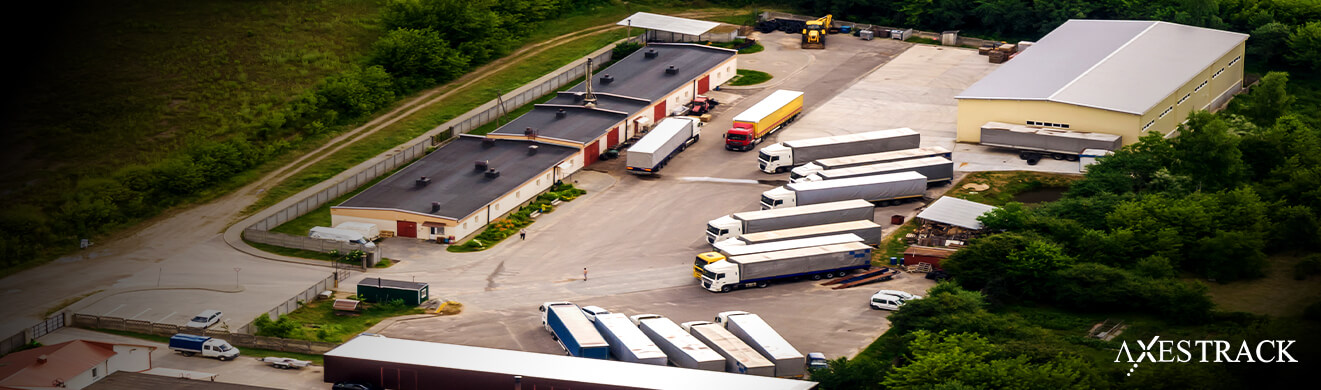
A Yard Management System (YMS) is a digital solution that manages and monitors the movement of trucks, trailers, containers, and equipment within the yard — typically between the plant gate, staging areas, and loading docks.
Seamless vehicle entry/exit using ANPR, RFID, or QR-based check-ins
Automated slot allocation based on load priority and dock availability
Live tracking of every asset’s location and movement inside the plant
Digital workflows for marshals, drivers, and supervisors
Connects with WMS, TMS, and ERP platforms to synchronize data
Optimizing yard, gate, and asset operations with intelligent automation and real-time visibility:
RFID, GPS, and geofencing technologies provide visibility into every truck or container’s position and status.
Eliminates wait times at entry points using license plate recognition and auto-ticketing.
Minimizes idle time and ensures trucks are at the right place at the right time.
Staff receive tasks and updates via mobile apps — reducing miscommunication.
Proactive alerts for gate congestion, delays, or compliance violations.
Actionable insights on dwell time, asset utilization, and turnaround performance.
Here are two real-world examples that highlight how yard inefficiencies can ripple across operations; turning a simple chokepoint into a major logistics bottleneck:
At a major petrochemical complex in India, truck turnaround time was significantly higher than the targeted 82 minutes due to fragmented workflows, from check-in to loading and exit. The delays disrupted dispatch planning and strained third-party logistics partnerships. A process reengineering study found that without redesigning in-plant logistics — including gate, inspection, and dock flows — turnaround time improvements would remain marginal. A modern YMS could have reduced the dependency on manual coordination and improved carrier throughput. An IIM Ahmedabad Case Study suggests the same.
A large cement manufacturer faced bottlenecks in the intra-plant movement of raw materials and finished goods. Manual scheduling of in-yard vehicle movement led to unnecessary stoppages and inefficient use of staging areas, impacting production continuity. Digital orchestration through YMS can enable prioritized routing, dock sequencing, and real-time congestion alerts, as highlighted by the TRID Transportation Research Board .
In automotive manufacturing hubs like Detroit and Chennai, where Just-In-Sequence (JIS) logistics are critical, even a 15-minute delay at the plant gate can trigger assembly line stoppages costing lakhs per hour.
Similarly, in Cement facilities with high throughput, manual scheduling leads to bottlenecks at dispatch zones, missed SLAs, and unhappy channel partners. YMS ensures real-time visibility across yards, docks, and material movement to protect dispatch velocity.
According to Gartner’s Market Guide for Yard Management,
Gartner also notes the growing adoption of cloud-native YMS platforms integrated with IoT, ML, and mobile-first interfaces to drive adoption and ROI.
Yard Management System (YMS) adoption isn’t without its hurdles — but leading global companies are finding practical ways to overcome them. Here’s how:
Mobile-based interfaces with simple UIs
API-first YMS with plug-and-play connectors
Phased rollout with quick ROI on pilot gates or plants
Use of digital SOPs and guided workflows
Intra-plant logistics is no longer a peripheral function — it’s a core driver of operational excellence. As factories push for leaner operations and real-time responsiveness, Yard Management Systems are moving from ‘nice-to-have’ to ‘non-negotiable’.
Whether you're running a high-velocity Cement plant or a precision-driven automotive plant, digitizing the yard ensures that the rest of your investments — from ERP to automation — don’t get bottlenecked at the gate.
Axestrack’s Connected Plant Logistics (CPL) platform is purpose-built to solve the intra-plant visibility and coordination challenges faced by Indian manufacturers. It integrates gate automation, real-time yard tracking, dynamic dock scheduling, and mobile task orchestration into a single connected layer, ensuring that no truck, material, or decision is left unmanaged between gate-in and gate-out.
With proven deployments across complex, high-volume plants, CPL delivers: Up to 40% reduction in yard turnaround times 50% faster turnaround at gates during peak shift change hours Live dashboards for dispatch teams, ensuring SLA adherence Seamless integration with ERP and WMS for full operational sync For manufacturing leaders looking to de-bottleneck the yard without overhauling their existing systems, Axestrack’s CPL offers a scalable, modular, and ROI-focused path forward.
Related Posts
30 Aug 2024
Untangling the Gordian Knot of Cement Logistics: Addressing Detention, Distance, and Deviation
5 Sept 2024
Axestrack recognized in the Gartner Market Guide for Fleet Telematics Solution

6 Sept 2024
Skip the Toggle: Unified View of All Your Logistics Data

13 Sept 2024