
Mining logistics operates in remote terrains, long-haul routes, and large operational zones, where heavy vehicles continuously transport ore, raw materials, and operational supplies. In such environments, maintaining control over fleet movement becomes critical. However, challenges such as fuel theft and route deviations often go unnoticed until they begin affecting operational costs and efficiency.
Fuel expenses form a significant portion of mining logistics costs, especially when vehicles travel long distances between mining sites, processing plants, and dispatch points. When monitoring systems are weak or visibility is limited, unauthorized fuel usage or route deviations can gradually increase operating expenses and disrupt logistics planning.
Preventing these issues requires clear visibility into vehicle movement, route adherence, and operational behavior across the transportation network.
Why Fuel Theft Happens in Mining Logistics
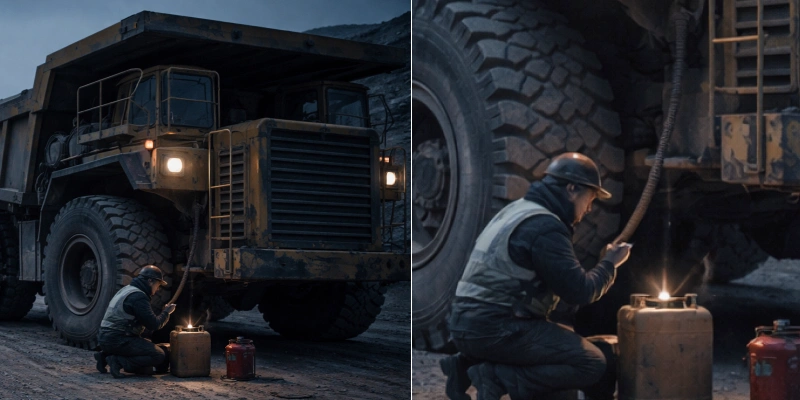
Fuel theft in mining transportation is often difficult to detect due to remote operating environments and limited physical supervision.
Vehicles frequently operate across isolated routes where monitoring infrastructure is minimal. Drivers may stop for extended periods, making it difficult for operations teams to distinguish between legitimate stops and suspicious activity.
Another contributing factor is lack of consistent monitoring of vehicle movement and trip patterns. When fleets operate without continuous tracking, unauthorized stops or detours can occur without immediate detection.
Fuel theft may also happen through small but repeated siphoning incidents, which are difficult to identify in day-to-day operations but eventually lead to noticeable fuel losses.
The Risk of Route Deviations in Mining Transport
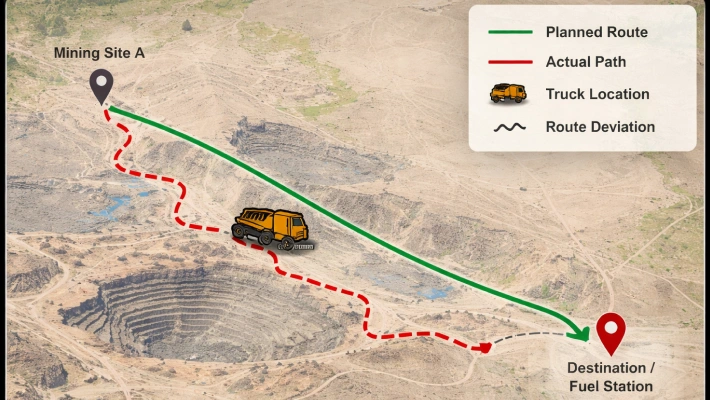
Route deviations are another major challenge in mining logistics. Heavy vehicles transporting valuable materials are typically expected to follow designated routes between mines, plants, and storage yards.
However, when drivers deviate from assigned routes, several operational risks emerge.
First, delivery delays increase because vehicles take longer paths or unnecessary detours. Second, unauthorized route changes may expose vehicles to unsafe road conditions or security risks. Third, route deviations make it difficult for logistics teams to maintain accurate delivery schedules and fleet coordination.
In mining environments where operations depend on continuous material flow, even small delays caused by route deviations can disrupt processing plant operations and dispatch timelines.
Operational Impact on Mining Companies
Fuel theft and route deviations together create a compounded operational challenge for mining companies.
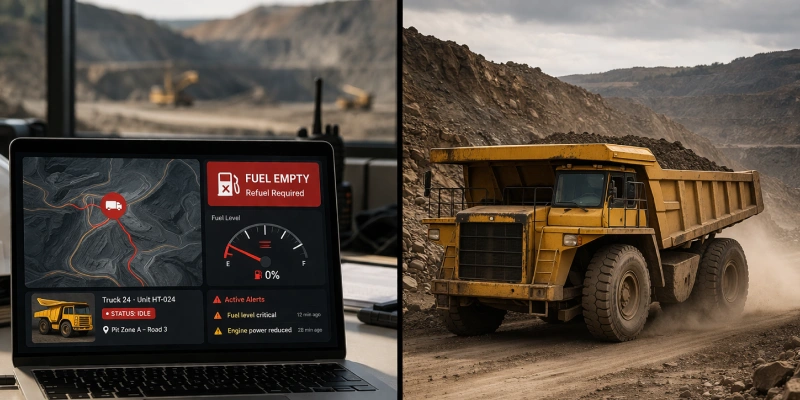
Unmonitored fuel consumption leads to rising transportation costs, while route deviations reduce fleet productivity and operational predictability. Over time, these inefficiencies affect trip planning, dispatch coordination, and transporter accountability.
In large mining operations managing dozens or hundreds of heavy vehicles, the absence of real-time oversight can make it difficult to identify patterns of misuse or inefficiency.
Without reliable data on vehicle routes, stoppage patterns, and trip durations, mining companies often struggle to pinpoint where operational leakage is occurring.
Conclusion
Addressing fuel theft and route deviations requires greater visibility into fleet movement and operational behavior.
Digital fleet management platforms such as xSwift by Axestrack enable mining companies to track vehicle movement in real time, monitor routes, and identify unexpected stops or deviations. This helps logistics teams detect irregular activity early and take corrective action.
For organizations managing large fleets across remote locations, Managed Control Tower capabilities allow centralized monitoring of vehicle activity, improving oversight across the mining transportation network.
With real-time visibility and proactive monitoring, mining companies can reduce operational leakage, improve fleet accountability, and ensure more controlled and efficient logisticsoperations.