
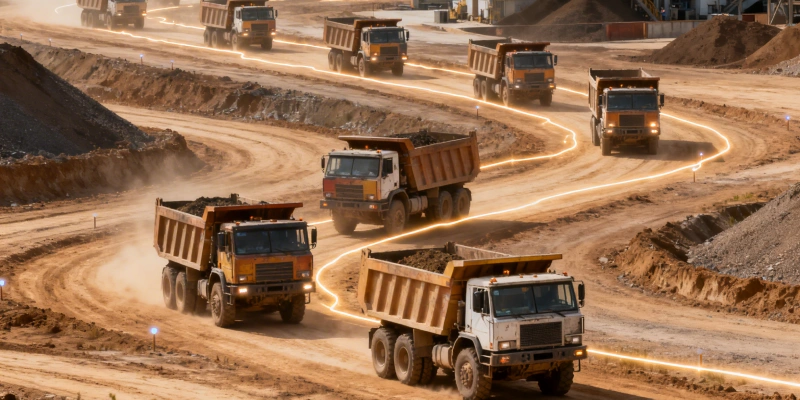
Mining operations are often located in remote and geographically challenging environments, far from urban infrastructure and traditional logistics networks. Every day, heavy vehicles transport raw materials, equipment, and supplies between mines, processing plants, stockyards, and dispatch points. In such conditions, maintaining clear visibility of vehicle movement becomes critical for both operational efficiency and safety.
However, remote mining regions frequently suffer from limited connectivity, long transportation routes, and unpredictable terrain conditions. Without accurate tracking, mining companies often struggle to know where vehicles are, how long they have stopped, or whether they have deviated from planned routes. This lack of visibility can lead to delays in material movement, inefficient fleet utilization, and operational uncertainty.
As mining logistics become more complex, real-time vehicle tracking is becoming an essential capability for companies operating in remote locations.
Why Vehicle Visibility Is Critical in Mining Operations
Mining logistics involves the continuous movement of ore, raw materials, machinery, fuel, and workforce vehicles across large operational areas. Unlike conventional freight transportation, these movements often take place within vast mining zones or across long distances between mines and processing plants.
In such environments, dispatch teams need accurate and timely information about vehicle movement to maintain smooth operations. When visibility is limited, even small disruptions can quickly escalate into operational delays or production bottlenecks.
For example, if a vehicle carrying extracted material is delayed without notice, processing plants may face temporary shortages in raw material supply. Similarly, delays in supply vehicles carrying equipment or fuel can impact on-site operational continuity.
Real-time tracking therefore helps mining companies maintain consistent coordination between extraction sites, transport fleets, and processing facilities.
Operational Challenges in Remote Mining Transportation
Remote mining operations present several unique challenges that make vehicle monitoring difficult.
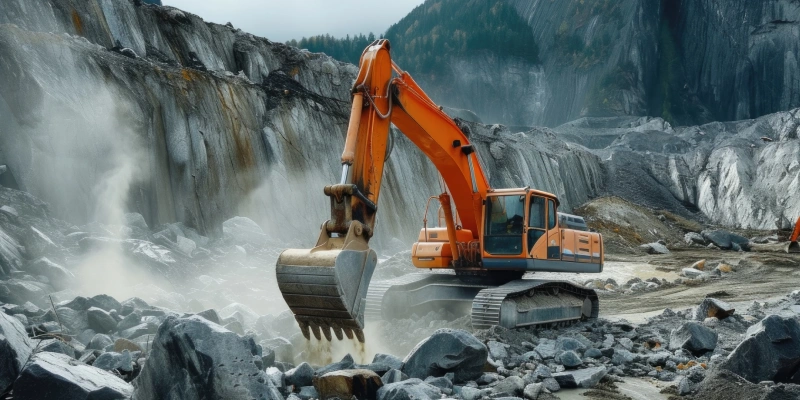
One of the most significant challenges is the vast geographical spread of mining operations. Vehicles often travel across isolated routes, rough terrain, and long distances, making it difficult to track them through traditional communication methods.
Another common issue is limited communication infrastructure. In remote mining zones, cellular networks may be weak or inconsistent, creating visibility gaps in vehicle movement.
Mining fleets also include specialized heavy vehicles such as dump trucks, ore carriers, and supply transport vehicles. Monitoring their movement manually becomes increasingly difficult as fleet size grows.
Safety is another major concern. Vehicles operating in remote areas may face unexpected breakdowns, route deviations, or environmental risks. Without proper monitoring, responding to such incidents quickly can become challenging.
Over time, these challenges contribute to inefficient fleet coordination, increased operational uncertainty, and potential safety risks.
The Impact of Limited Visibility on Mining Logistics
When mining vehicles are not monitored effectively, several operational inefficiencies begin to appear.
First, companies experience reduced fleet productivity. Vehicles may remain idle or take longer routes without being noticed, increasing overall trip duration.
Second, dispatch planning becomes difficult. Without knowing the exact location and progress of vehicles, logistics teams cannot accurately plan the next movement or allocate resources efficiently.
Third, limited tracking affects safety and incident response. In remote operations, identifying the exact location of a vehicle during a breakdown or emergency is essential for rapid response.
Finally, lack of visibility reduces operational accountability. When delays occur, it becomes difficult to determine whether they are caused by road conditions, route deviations, or unscheduled stoppages.
For mining companies operating large fleets across remote regions, these visibility gaps can significantly affect both operational performance and overall logistics reliability.
Conclusion
Improving visibility across mining transportation networks is becoming essential for companies operating in remote and challenging environments.
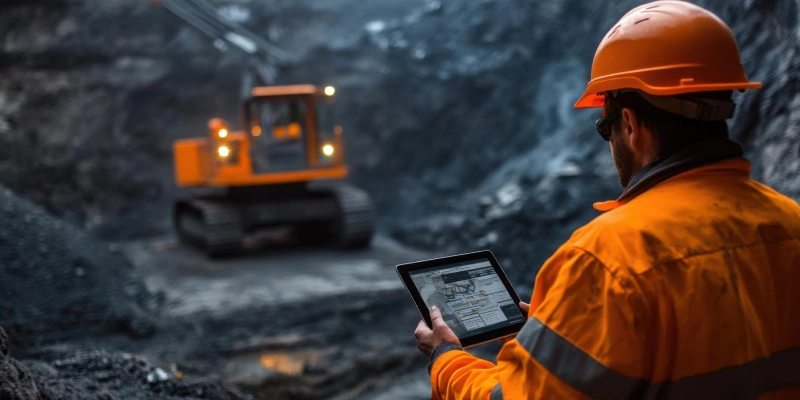
With real-time vehicle tracking, mining operators can monitor vehicle movement across long distances, detect delays early, and ensure better coordination between mining sites, processing facilities, and logistics teams.
Digital fleet monitoring systems such as xSwift by Axestrack help provide real-time tracking of mining vehicles, enabling operations teams to view vehicle locations, monitor trip progress, and respond quickly to disruptions.
For organizations managing large and geographically dispersed fleets, Managed Control Tower capabilities enable centralized monitoring of fleet movement and operational performance.
By adopting real-time tracking and centralized logistics visibility, mining companies can improve fleet productivity, operational safety, and transportation efficiency, ensuring smoother movement of materials even in the most remote mining environments.